Blog

  • U.S. farmers struggling to afford fertilizer amid Iran war

    U.S. farmers struggling to afford fertilizer amid Iran war

    Fertilizer is spread across a field in China Grove, North Carolina, on April 10, 2026.

    Grant Baldwin | AFP | Getty Images

    On a farm in Goldsboro, North Carolina, where her husband’s family has worked the land for generations, Lorenda Overman is facing familiar hurdles — but also new pressures she couldn’t have predicted only months ago.

    We’re always battling weather, disease and insects,” said Overman. “Three years we’ve had record high input prices, and it has just got higher the last six or eight weeks.”

    Fertilizer prices have surged due to shipping disruptions from the war in the Middle East, and the higher costs are rippling across U.S. agriculture just as spring planting gets underway. Farmers are being forced to scale back inputs, shift crops and reconsider how much to plant, which could affect the supply of certain crops in the U.S. and around the world.

    New survey data from the American Farm Bureau Federation shows fertilizer access and affordability are becoming a defining challenge for this year’s growing season. Almost six in 10, or 58%, report worsening financial conditions amid rising input and fuel costs, according to the survey conducted April 3 through April 11.

    A major share of farmers say they cannot afford all the fertilizer they need. In the Midwest, nearly half, or 48%, said they could not afford the fertilizer they need. That share was at least 66% in the Western, Northeast and Southern regions.

    Overman said she did not order fertilizer ahead of time, which is a common practice in the industry, because her farm could not make ends meet last year and she was hoping that prices would go down as planting season began this year.

    “We can’t wait for the [Strait of Hormuz] to open back up and those ships to get here before we have to purchase those inputs,” said Overman.

    Fertilizer and nitrogen costs on her farm jumped from $139 per acre last year to an unexpected $217 this season.

    Now bracing for a less profitable growing season, she’s among the many farmers reworking their books to try to blunt the blow from rising commodity costs.

    That could not only affect those farmers’ bottom lines, but also their ability to grow the quantity of key crops they usually would.

    Southern farmers and crops hit hardest

    While farmers across the U.S. are struggling with higher costs, the impact isn’t evenly distributed across the land.

    Producers in the South are the most exposed, according to the Farm Bureau’s data, as just 19% pre-booked fertilizer ahead of the season — far below the Midwest, where 67% locked in supplies early. That timing gap is critical: farmers who didn’t pre-buy are now facing higher prices.

    As a result, 78% of Southern farmers say they can’t afford all required fertilizer, compared to 48% in the Midwest.

    That is especially concerning given the crop mix. More than 80% of rice, cotton and peanut producers say they’re unable to afford necessary inputs. Those crops will be the most vulnerable to reduced yields this season, compared to soybeans, which tend to require less nitrogen.

    That is why farmers like Overman say they’re adjusting their planting strategy this year.

    “We’re going to cut back on our acreage of corn and try to plant a crop that’s a little less fertilizer and nitrogen dependent, which would be soybeans,” said Overman. “We’re also going to … spread that fertilizer, a little bit thinner.”

    Tommy Salisbury, an Oklahoma farmer and leader with the Farm Bureau’s young farmers and ranchers group, said the spike in fertilizer prices came at an inopportune time for farmers.

    “That increase that we’ve talked about on fertilizer happened right before spring planning. It was the worst timing of all,” said Salisbury. “We were already budgeted.”

    Salisbury plans to reduce his milo acreage, a cereal grain similar to corn, and also pivot toward soybeans to offset rising costs. Making matters worse, crop prices are low enough that it becomes hard to break even when facing higher costs.

    “We are paying input prices of 2026, but getting crop prices of the ’70s and ’80s,” he said.

    All of this poses a threat to yields for 2026.

    When farmers cut fertilizer use or shift acreage, it raises the risk of lower crop yields and reduced overall production. With large portions of the South, Northeast and West unable to fully fertilize crops, the Farm Bureau suggests those risks are building.

    The advocacy group aims to meet with the White House to push for more aid for farmers in the coming months.
    Source link

  • Morgan Stanley (MS) earnings 1Q 2026

    Morgan Stanley (MS) earnings 1Q 2026

    Morgan Stanley tops estimates as trading revenue exceeds expectations by $1 billion

    Morgan Stanley on Wednesday posted first-quarter results that topped analyst estimates as the firm’s trading operations generated almost $1 billion more in revenue than expected.

    Here’s what the company reported:

    • Earnings: $3.43 a share vs. $3 LSEG estimate
    • Revenue: $20.58 billion vs. $19.72 billion estimate

    The bank said profit jumped 29% to $5.57 billion, or $3.43 a share. Revenue rose 16% to $20.58 billion, fueled by gains in the firm’s trading, investment banking and wealth management businesses.

    Shares of Morgan Stanley gained 3% in premarket trading.

    Equities trading revenue jumped 25% to a record $5.15 billion, or about $450 million above the StreetAccount estimate. The firm cited strong volumes across its global equities franchise, especially in its prime brokerage business catering to hedge funds and its derivatives unit.

    Fixed income revenue rose 29% to $3.36 billion, or about $540 million more than expected, helped by commodities trading that benefited from volatility in energy markets in the period.

    Morgan Stanley, led by CEO Ted Pick since 2024, appears to have capably navigated the tumult of the first quarter, which saw rolling corrections in software stocks and the upheaval caused by the Iran war. Of note, the bank edged out rival Goldman Sachs in the key arena of fixed income trading, where Goldman posted an unusually large miss of $910 million versus the StreetAccount estimate.

    Morgan Stanley’s investment banking revenue surged 36% to $2.12 billion, essentially matching the StreetAccount estimate, on rising fees from completed mergers as well as stock and bond underwriting.

    Wealth management revenue climbed 16% to a record $8.52 billion as the firm cited rising asset values and fee-generating transactions.

    The firm’s smallest division, its investment management business, saw revenue drop 4.2% to $1.54 billion, or about $110 million below expectations. Morgan Stanley cited lower carried interest on private funds for the decline in performance.

    Source link

  • Ford EV chief leaving automaker amid new restructuring efforts

    Ford EV chief leaving automaker amid new restructuring efforts

    Doug Field, the chief EV, digital and design officer at Ford Motor, speaks at Louisville Assembly Plant as Ford shares its plans to design and assemble its “Universal Electric Vehicle” platform on Aug. 11, 2025.

    Courtesy: Ford

    DETROIT — Ford Motor‘s head of electric vehicles and software is leaving the automaker as it restructures its executives and operations.

    Ford on Wednesday said Doug Field — chief EV, digital and design officer — has “elected to leave the company after a transition over the next month.” A release announcing the move mentioned a “next chapter” for Field, but the executive declined to disclose specific plans on a call with media Wednesday.

    Field’s departure was announced in conjunction with Ford detailing a new executive structure that includes the establishment of a “Product Creation and Industrialization” organization at the company that will be led by Ford veteran and Chief Operating Officer Kumar Galhotra.

    Ford said the new structure will integrate Field’s responsibilities with the company’s global Industrial System group to help the automaker hit certain goals under its “Ford+” business plan, such as its target of an 8% adjusted EBIT margin by 2029.

    “Today is a very important moment for us at Ford, really for our next chapter. It’s also an important moment for all of us as leaders,” Ford CEO Jim Farley said Wednesday on the call with Field and Galhotra. “We believe this organization change will really help us deliver all the key Ford plus objectives.”

    Field’s departure comes as Ford is preparing to launch a next generation of electric vehicles that Farley has said are as important as the company’s famed Model T.

    Farley and Field on the call with media said the upcoming vehicle — a midsize pickup built on Ford’s “Universal Electric Vehicle,” or UEV, platform that’s due out next year — was in a solid position to continue in the new unit without Field.

    “Ford will be changed by taking these products all the way over the finish line. My team is ready, and they’re ready to execute,” Field said Wednesday.

    ‘Heart and soul’ of Ford transformation

    Ford on Wednesday described the new Product Creation and Industrialization unit as an “end-to-end organization” that aims to “deliver one of the most intensive product, software, and services rollouts in Ford’s history.”

    The automaker plans to refresh 80% of its North American portfolio by volume and 70% of its global portfolio by volume by 2029, the company said. That includes the UEV pickup truck, next-generation F-150 and larger F-Series Super Duty lineup.

    That turnaround of products also will include new powertrain offerings and software, Ford said Wednesday.

    Ford CEO on ending Ford Lightning EV production: We are following market trends

    “This is really the heart and soul over the next couple years of our transformation,” Farley said. “This new structure positions us to move a lot faster, reduce complexity inside the company and deliver those great digital experiences and vehicles with greater quality and efficiency.”

    By 2030, the company is planning for 90% of its global nameplates to offer electrified powertrains, including hybrids, extended-range electric vehicles and full EVs. It is also aiming to have 90% of its vehicles by volume feature updated “electrical architectures, in-house developed user experiences and hardware, and next-generation over-the-air capabilities for continuous improvement in experiences and services.”

    Ford said the new technologies will enable “the rapid rollout” of advancements to its digital experience for customers and BlueCruise advanced driver assistance system, with a “scalable path” toward a 2028 Ford goal to achieve eyes-off driving.

    “We’re on the eve of the biggest change the company has seen, which is delivering all this new software and hardware and products and services in ’27 through ’29 that will get us not only to that 8% margin, but transform the company,” Farley said. “This is the team that’s going to deliver this.”

    Leadership shakeup

    There will not be a direct replacement for Field, whom Ford executives praised when the automaker brought him to the company in 2021 after previous leadership positions with U.S. EV leader Tesla and Apple.

    Farley, who called Field’s hiring a “watershed moment” at the time, also spoke fondly of the executive on Wednesday. He said Field was an “invaluable partner” who “has built a world-class team at Ford.”

    Stock Chart IconStock chart icon

    hide content

    Auto stocks

    However, many of Ford’s initiatives involving software and EVs did not perform as expected. Most notably, the automaker reported significant shortfalls in generation of software revenue and in December announced it would write down $19.5 billion related to a pullback in EVs and realignment of business priorities.

    While several automakers have announced such impacts due to EVs, Ford’s write-down was much larger than its closest rival, General Motors, which has announced roughly $7.6 billion in such charges.

    In addition to Field leaving the company, Ford on Wednesday announced a series of other changes to its advanced vehicle development products and European manufacturing.

    “With this unified organization, I believe we’re better positioned than ever to deliver high-quality vehicles, advanced digital experiences and profitable services at scale,” Galhotra said. “That’s what this is all about.”

    Source link

  • Spirit Airlines could liquidate as early as this week, sources say

    Spirit Airlines could liquidate as early as this week, sources say

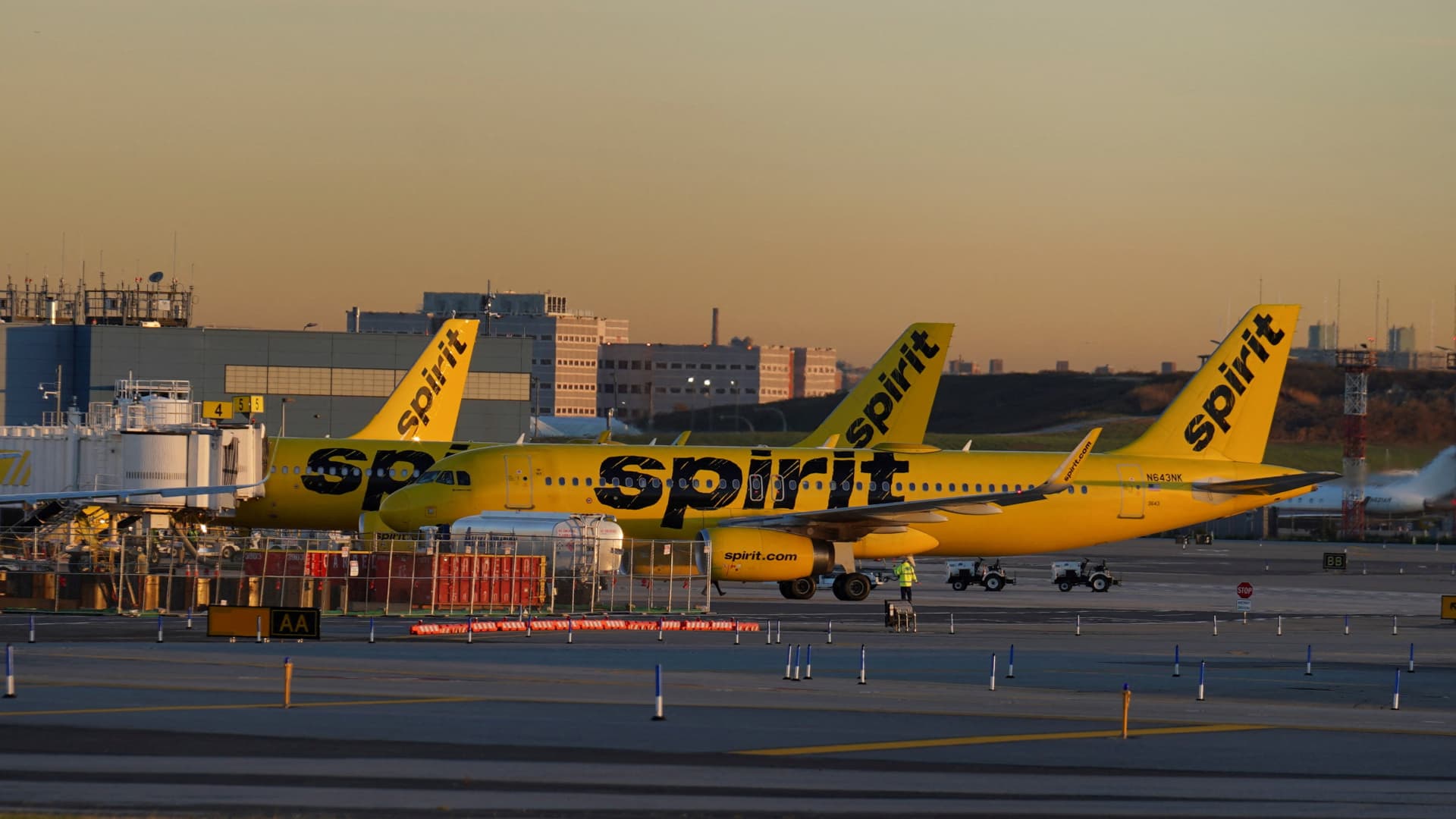
    Spirit Airlines airplanes taxi on the tarmac at New York’s Laguardia Airport in the Queens borough of New York City, U.S., Nov. 7, 2025.

    Ryan Murphy | Reuters

    Spirit Airlines could liquidate as early as this week, according to people familiar with the matter.

    They spoke on the condition of anonymity to discuss matters that had not yet been made public.

    The budget carrier has been struggling to regain its footing from its second bankruptcy in less than a year, but it now faces the added challenge of a spike in the price of fuel. Fuel is airlines’ biggest expense after labor.

    “We don’t comment on market rumors and speculation,” Spirit said in a statement.

    The exact day the carrier could begin liquidation wasn’t immediately clear. Bloomberg earlier reported on the potential liquidation.

    The news comes just as the U.S. airline industry, including Florida-based Spirit, is wrapping up its busy spring break season.

    Pilot and flight attendant unions had made concessions in recent months in a bid to help Spirit survive. The airline had planned to shrink and focus on high-demand travel periods and routes in a bid to exit bankruptcy as early as this spring.

    Spirit enjoyed largely steady profitability for years and enviable margins in the industry. But things took a turn after the pandemic, when wages and other costs soared, customer preferences changed, and an oversupply of domestic flights drove down airfare, which was especially punishing for U.S.-focused carriers that don’t enjoy a buffer from plush first-class cabins and large credit card and loyalty program deals.

    Its problems snowballed after a Pratt & Whitney engine recall grounded dozens of its Airbus aircraft starting in 2023 and its planned acquisition by JetBlue Airways was blocked two years ago by a federal judge who ruled it was anticompetitive, leaving both carriers to fend for themselves against a backdrop where larger carriers dominate.

    Spirit forecast it would generate a net profit of $252 million last year, according to a court filing in December 2024, but it said in an August report that it lost nearly $257 million in a matter of months stretching from March 13, after it exited its first Chapter 11 bankruptcy, through the end of June. It filed for Chapter 11 bankruptcy protection again less than a month later.

    The airline had tried in recent years to win over higher-spending customers by offering roomier seats or bundled fares that include seat assignments and baggage to better compete with larger rivals whose profits have been buoyed big-spending customers post-pandemic.

    Source link

  • Goldman Sachs bond traders stumbled as Wall Street rivals thrived

    Goldman Sachs bond traders stumbled as Wall Street rivals thrived

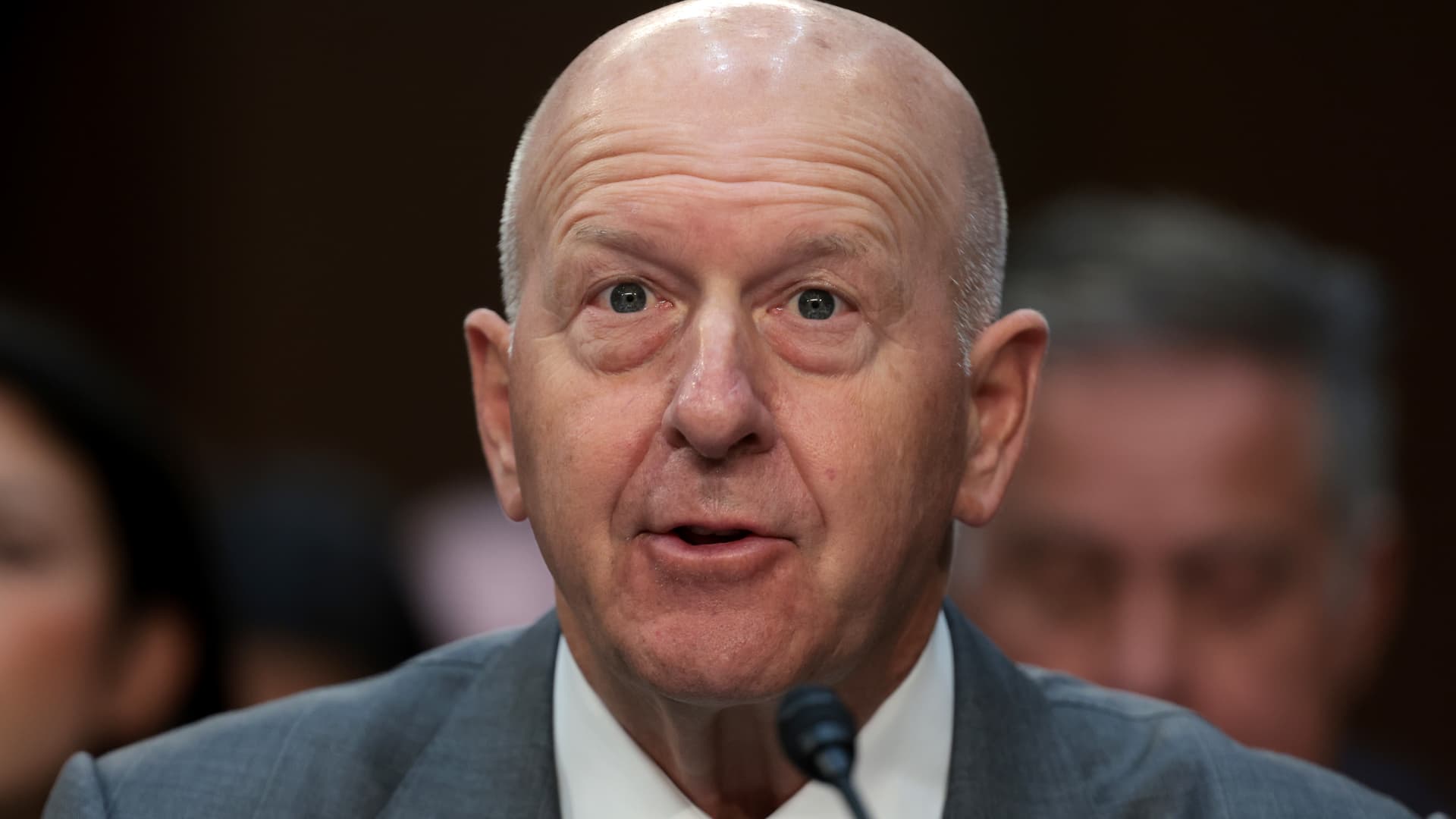
    David Solomon, CEO Goldman Sachs, speaking on CNBC’s Squawk Box at the World Economic Forum in Davos, Switzerland on Jan. 22nd, 2026.

    Oscar Molina | CNBC

    When Goldman Sachs executives were asked about disappointing results in the firm’s fixed income division this week, they made it sound as though the trading environment was simply not in their favor.

    Fixed income revenue fell 10% in the first quarter, coming in $910 million below analysts’ expectations, according to StreetAccount data. It was an unusually large miss for one of Goldman’s flagship Wall Street businesses.

    “It was basically just a function of the overall environment making markets,” CFO Denis Coleman told an analyst on Monday after the bank’s earning report. “We remain actively engaged with clients, but our performance in rates and mortgages was relatively lower.”

    But as nearly all of Goldman’s rivals, including JPMorgan Chase, Morgan Stanley and Citigroup, posted blockbuster results for first-quarter fixed income in the days that followed, one thing became clear to Wall Street: Goldman Sachs’ vaunted fixed income traders had underperformed.

    JPMorgan saw fixed income trading revenue jump 21% to $7.1 billion, the bank’s second-biggest haul ever. Morgan Stanley, where fixed income is less a priority than equities, posted a 29% jump in the bond business. Citigroup saw bond trading revenue jump 13% to $5.2 billion.

    Since before the 2008 financial crisis, when Lloyd Blankfein led Goldman Sachs, the firm’s fixed income division had been the envy of Wall Street. Goldman was known for its trading prowess, a reputation forged in periods of dislocation when its desks generated outsized gains. The bank’s identity as a trader’s firm — one expected to outperform in turbulent times — has endured in the decade-plus since.

    That makes the first-quarter stumble particularly notable.

    “It seems that something went wrong at Goldman in fixed income,” said veteran Wells Fargo analyst Mike Mayo, who called the bank’s results “worst-in-class.”

    “I’d imagine that at Goldman, a fire is being lit under the traders, managers and risk overseers in FICC after such an underperformance,” Mayo said in an interview with CNBC, using an acronym standing for fixed income, currencies and commodities, the formal name for that business.

    The prevailing theory is that Goldman was caught offsides on trades tied to interest rates in the first quarter, according to several market participants who asked for anonymity to speak candidly.

    That’s because of the positioning that many Wall Street firms had at the start of this year, when markets were expecting the Federal Reserve to cut interest rates at least twice in 2026, these people said.

    But after the price of oil surged with the advent of the Iran war, roiling expectations for inflation, the markets began pricing those cuts out, with some investors even bracing for the possibility of rate hikes this year.

    Fixed income was the sole blemish on a quarter in which Goldman Sachs exceeded expectations handily, thanks to the firm’s equities traders and investment bankers. Despite the earnings beat, the firm’s shares dropped as much as about 4% on Monday following the report.  

    Goldman Sachs declined to comment. But on Monday, CEO David Solomon sought to put the quarter’s performance into context:

    “When I look at the scale and the diversity of the business, it’s performing very, very well,” Solomon said during the company’s conference call. “Some quarters, it’s going to be stronger here, stronger there.”

    Source link

  • Iran conflict, oil prices threaten to dent cruise line profits

    Iran conflict, oil prices threaten to dent cruise line profits

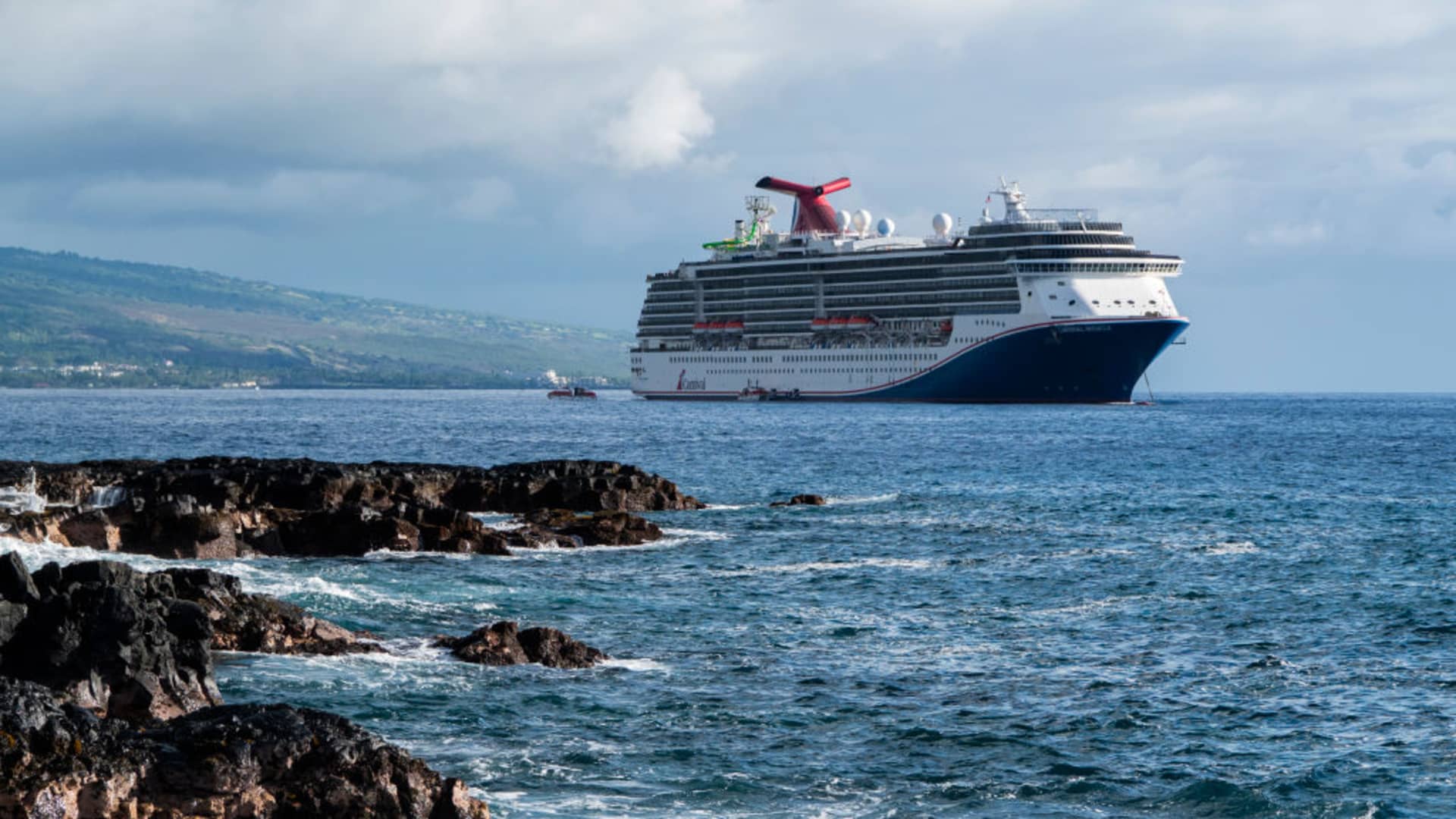
    The Carnival Miracle cruise ship is anchored in the Pacific Ocean near Kailua Bay during a 15-day cruise, in Kailua-Kona, Hawaii, on Jan. 14, 2024.

    Kevin Carter | Getty Images

    The global cruise industry is reporting record demand and renewed consumer enthusiasm, but the leaders helming the world’s largest cruise companies say the sector is also facing some of the most complex challenges it has seen in decades.

    “We are not an alternative vacation anymore. We are a vacation,” Carnival Corporation CEO Josh Weinstein said during a keynote panel Tuesday at Seatrade Global, a cruise industry conference.

    As demand rises, passengers are getting younger; one-third of cruise travelers are now under 40, according to the 2026 State of the Cruise Industry report released by Cruise Lines International Association (CLIA). One-third of trips are multi-generational, often families traveling together. And nearly a third of cruisers take vacations by ship multiple times a year, according to the report.

    The cruise industry hosted 37 million passengers worldwide last year and anticipates reaching 42 million annually by 2029, CLIA found.

    “That mainstream demand sets us up very well for volatility,” Weinstein said.

    A resilient business in an uncertain world

    At least six cruise ships remain stranded in the Persian Gulf by the impasse at the Strait of Hormuz. One of them is the MSC Euribia.

    Though roughly 1,500 passengers were safely evacuated amid Dubai airport shutdowns and missile warnings after the U.S. and Israel launched an attack on Iran in late February, there are still some crew on board to maintain the vessel.

    “Obviously, we live day by day. The situation is very fluid,” said MSC Cruises Executive Chairman Pierfrancesco Vago during the Seatrade Global keynote.

    Already the shutdown of marine traffic in the Strait has disrupted itineraries in the Middle East and southern Europe. Threats of blockades, mines on the sea floor and on-and-off-again negotiations are keeping cruise executives guessing about when they can move their ships.

    “Morning is one thing, lunchtime is another, dinner is another again,” Vago said of the numerous and often conflicting announcements from government leaders. “We need to stay cool and actually be ready to move out as soon as the possibility and opportunity comes back.”

    Despite these challenges, cruise executives argue the industry has never been better positioned to absorb shocks.

    “Every crisis we’ve faced — financial, geopolitical or health-related — we adapted,” Carnival’s Weinstein said. “There’s no reason to believe it will be different this time.”

    Fuel costs, sustainability and the push to use less

    Fuel price volatility has once again put energy strategy front and center for the cruise industry, particularly for Carnival, which does not hedge fuel prices.

    “Nobody asks us about hedging when prices are low,” Weinstein said. “But our strategy has been consistent: use less fuel.” 

    The cruise industry aims to have net zero emissions by 2050, but CEOs agree that they can’t achieve that goal solely by conserving fuel.

    Industry leaders see biofuels, green methanol and synthetic liquid natural gas (produced by combining captured carbon with hydrogen) as the most promising solutions to meet their fuel needs.

    Fincantieri CEO Pierroberto Folgiero on ship building in America

    Royal Caribbean Group CEO Jason Liberty said cruise lines are already investing hundreds of millions of dollars annually in technology and energy innovation, but availability of alternative fuels remains the bottleneck.

    “It’s not about what we want to use,” Liberty said. “It’s about what’s scalable and available.” 

    “We’re going to have heavy competition with other sectors for those fuels as well. There’s no guarantee we get them,” added Bud Darr, president and CEO of Cruise Lines International Association.

    Tailwinds for growth

    Even as the industry navigates choppy seas, cruise companies are looking for their next avenues for growth.

    Technological advances in artificial intelligence are being used to reduce food waste, plot routes and itineraries and increase efficiency. Cruise line executives say the most important application is to reduce friction in the guest experience.

    “A more flexible work environment has been a big demand driver for us,” Liberty said. Most Royal Caribbean ships now host a Starlink connection for fast internet aboard.

    Private destinations, the exclusive ports or islands owned or controlled by a cruise line, continue to be a priority for investment. Royal Caribbean, for instance, currently has three private destinations on its itineraries but will have eight by 2028.

    It’s developing a major land-based hub in Puerto Williams, Chile, to reduce or eliminate the amount of time passengers to Antarctica have to spend transiting the punishing seas of the Drake Passage.

    And the luxury segment, though a small percentage of the overall industry, is growing rapidly. Customers are increasingly interested in exploring health, wellness and longevity — and those trends are showing up in their vacation habits, too.

    Smaller ships and river cruising accommodate specialized interests in eco-tourism, off-the-beaten path (not yet discovered by social media influencers) locales and culinary or artistic aficionados.

    Social-media driven demand in tourism has also sparked backlash from some destinations, overwhelmed by the crowds. The cruise industry is working with destinations on what it calls managed, predictable tourism.

    Vago said MSC worked with Dubrovnik, Croatia, for example, to coordinate the flow of visitors to the medieval town, which wants the tourism spending but without destruction of quality of life for residents.

    “Many of these coastal communities actually appreciate that. We plan in advance. We create itineraries three years in advance,” Vago said.

    “The strength of this industry is its ability to evolve without losing its soul,” Liberty said. “That soul is hospitality.”

    Leadership change and fresh perspective

    At Norwegian Cruise Line Holdings, the challenge for new CEO John Chidsey is righting the ship.

    In his first earnings call, just days after taking the helm, Chidsey acknowledged the company had committed numerous missteps.

    Margins are under pressure. Shares have been volatile. Critics have questioned a push to expand cruise itineraries in the Caribbean before Norwegian’s private island was fully completed.

    Earlier this year, Elliott Investment Management took an activist stake in Norwegian, which may have provided impetus for the board to make a leadership change.

    Chidsey told CNBC Elliott’s goals align with his own and that he intends to create a culture of accountability and urgency where teams are working together rather than separated into silos.

    New Norwegian Cruise Line CEO John Chidsey on taking the helm

    The Seatrade conference was a cruise industry debut for Chidsey, formerly the CEO of Subway, Burger King and Avis.

    When asked what a “sandwich guy knows about cruising,” Chidsey didn’t miss a beat, insisting he’s a “turnaround guy not a sandwich guy.”

    “I knew nothing about fast food when I went there. I think having a fresh set of eyes is really what Norwegian needs. And it’s all about execution,” he said.

    Source link

  • Starbucks launches beta app in ChatGPT to fuel new drink discovery

    Starbucks launches beta app in ChatGPT to fuel new drink discovery

    A sample prompt response in ChatGPT using Starbucks’ beta app.

    Source: Starbucks

    Starbucks has launched a beta app in ChatGPT to provide inspiration for customers’ drink orders, the company said Wednesday.

    To use the beta app, customers need to enable the Starbucks app through ChatGPT’s app directory and then enter a prompt on the chatbot that includes “@Starbucks.” While they can customize their orders and even select what location to order from, consumers will need to complete their order on the Starbucks app or website — a key distinction for a company that relies heavily on its loyalty program.

    “Over the past year, one thing has become clear: Customers aren’t always starting with a menu,” Paul Riedel, Starbucks’ senior vice president of digital and loyalty, said in a statement. “They’re starting with a feeling …. We wanted to meet customers right in that moment of inspiration and make it easier than ever to find a drink that fits.” 

    The announcement on Wednesday marks the latest way that Starbucks is trying to find ways to entice U.S. customers back to its cafes. Under its “Back to Starbucks” turnaround strategy, the company has added seating back to its cafes, trimmed its menu and reintroduced tiers to its loyalty program.

    It also helped customers find new drinks on its mobile app, through its trending beverage category or the secret menu under its “offers” tab. Drink discovery is also important for winning over Gen Z consumers, who have shown more of an affinity for unique beverages at U.S. restaurant chains than members of older generations.

    So far, Starbucks’ turnaround strategy looks like it is taking hold. After two years of traffic declines, the chain finally reported rising customer transactions in its fiscal first quarter ended Dec. 28.

    Wednesday’s announcement is not Starbucks’ first foray into using generative artificial intelligence or partnering with OpenAI. Last year, the coffee company unveiled Green Dot Assist, an AI assistant for baristas created with Microsoft Azure’s OpenAI platform. 

    Other consumer companies have also been partnering with OpenAI to boost sales. Walmart, Etsy and Booking.com are among the big names that are testing shopping and purchasing through ChatGPT’s interface.

    Source link

  • Walmart redesigns Great Value private label brand

    Walmart redesigns Great Value private label brand

    A first look at Walmart's private label refresh

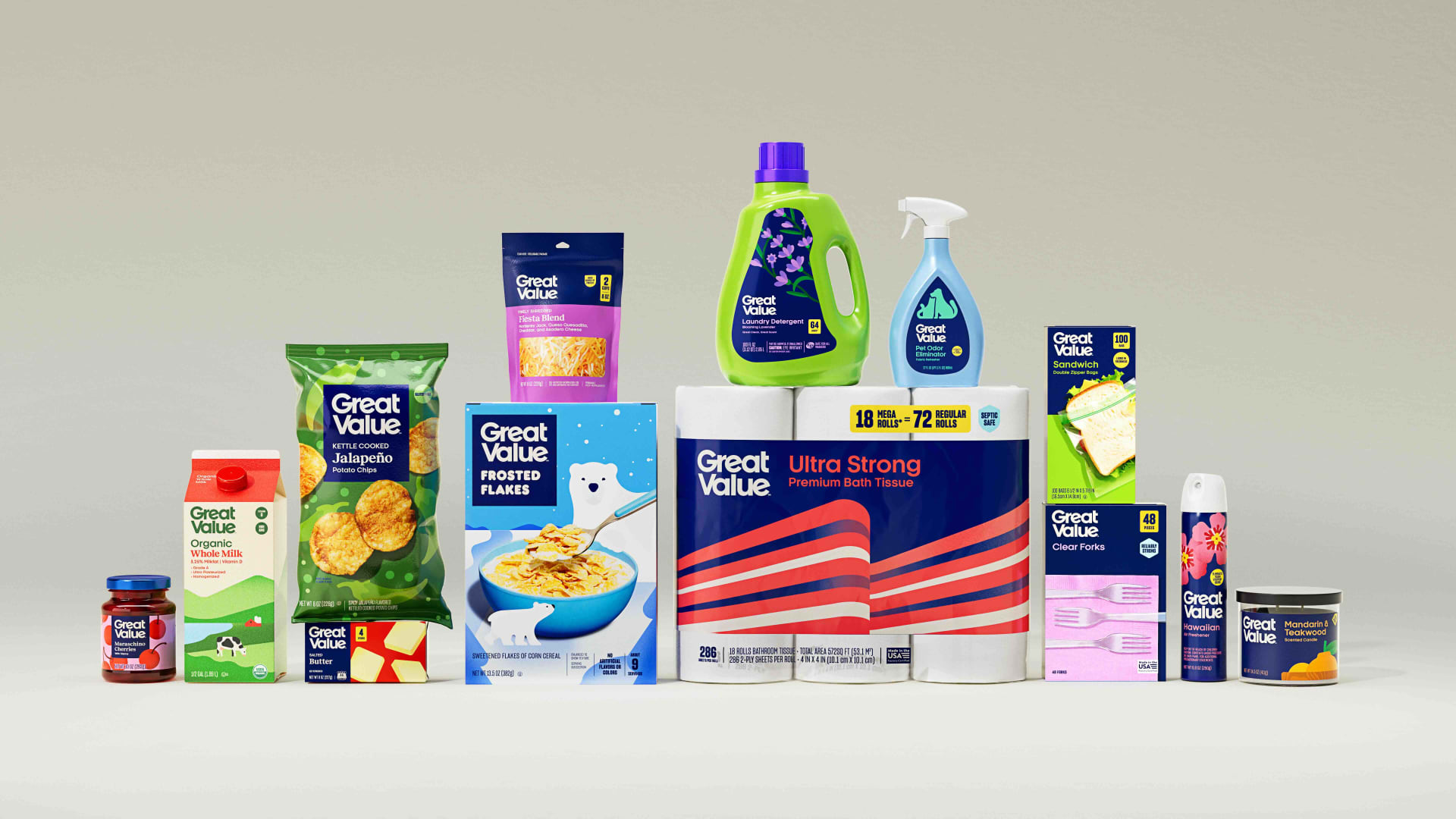
    Walmart‘s largest private brand, Great Value, is getting a fresh look.

    Starting in May, the brand’s approximately 10,000 items that span from LED lightbulbs to gallons of milk and frozen chicken nuggets will hit the shelves in new packaging, the company announced Wednesday. Walmart first launched the brand in 1993 and hasn’t changed its look in more than a decade. The price and the products inside of the new packaging will stay the same.

    Shoppers will see the more modern and colorful packaging of Great Value beginning with snacks, followed by cereals, cream cheeses and sour cream items. It will take about 18 to 24 months for every product to get new packaging, said Scott Morris, senior vice president of private brands for Walmart U.S.

    Great Value has higher household penetration than any other store-owned brand in the country, with 87% of U.S. households purchasing at least one item from the brand in the past year, according to market researcher Numerator. The firm says all of the top five private-label brands by household penetration in the U.S. belong to Walmart, which is also the nation’s largest grocer by annual revenue.

    Walmart’s Great Value brand is getting a new look. Starting this spring, shoppers will see more modern and colorful packaging.

    Courtesy of Walmart

    Still, Walmart’s overhaul of Great Value is an offensive play as more companies improve the quality of their in-house products. Amazon’s grocery brand has become the fastest-growing private label by unit volume year over year since launching in October, according to Numerator. Some retailers, such as Costco and Trader Joe’s, have attracted customers because of their reputation for low-priced and high-quality private-label groceries and wine, among many other products. And Aldi, a retailer that almost exclusively stocks its own brands, is expanding its national reach by opening more than 180 stores in the U.S. this year.

    Plus, the overhaul coincides with Walmart’s significant gains from customers with annual household incomes of more than $100,000. It’s reeled in those wealthier shoppers by not only offering lower prices, but also speedier deliveries and more unique and stylish merchandise. For example, it’s added more chef-driven flavors, plant-based items and trendy ingredients to Bettergoods, a private-label grocery line that launched about two years ago.

    In an interview with CNBC, David Hartman, vice president of creative at Walmart, said customer research indicated that shoppers liked the quality and price of the products, but “felt like the expression of the brand on the pack was kind of lagging.”

    “What they felt was this sense of it being a compromise,” he said. “They love the product across food and consumables, but they didn’t particularly feel very proud to display it in their home or with their families.”

    The packaging for Walmart’s Great Value items, such as its Donut Shop coffee, has a colorful and more modern look.

    The new packaging looks more colorful and crisper than the previous version. Walmart chose the new design to make it easier for busy shoppers to find what they’re looking for, whether in store aisles or on Walmart’s app, Hartman said.

    Clearer and more concise packaging will also help Walmart’s pickers, who move fast as they pluck items off the shelves for customers’ online orders, Morris said.

    Morris said the company needs to keep up with the demand for private brands that don’t look, taste or feel like cheaper knockoffs of national brands.

    “The bottom line is the customer just continues to expect more out of private brands,” he said.

    In the U.S., the market share of private brands has grown. They hold roughly 20% of overall grocery market share in the U.S. compared with roughly 45% to 50% in Canada and Europe, according to Steve Zurek, NielsenIQ’s vice president of advanced analytics. Still, he said, that’s a notable jump from roughly 15% about a decade ago in the U.S.

    He added Gen Z shoppers — the young customers who retailers are now chasing — have pushed private labels further because they buy the products more than previous generations and often prefer them to well-known national brands.

    “The stigma has been slowly falling away,” he said. “It’s almost a badge of honor in some ways, depending on the generation, to have a store brand sitting on the counter while you’re entertaining.”

    Source link

  • United CEO brought merger idea to White House but considered it last fall

    United CEO brought merger idea to White House but considered it last fall

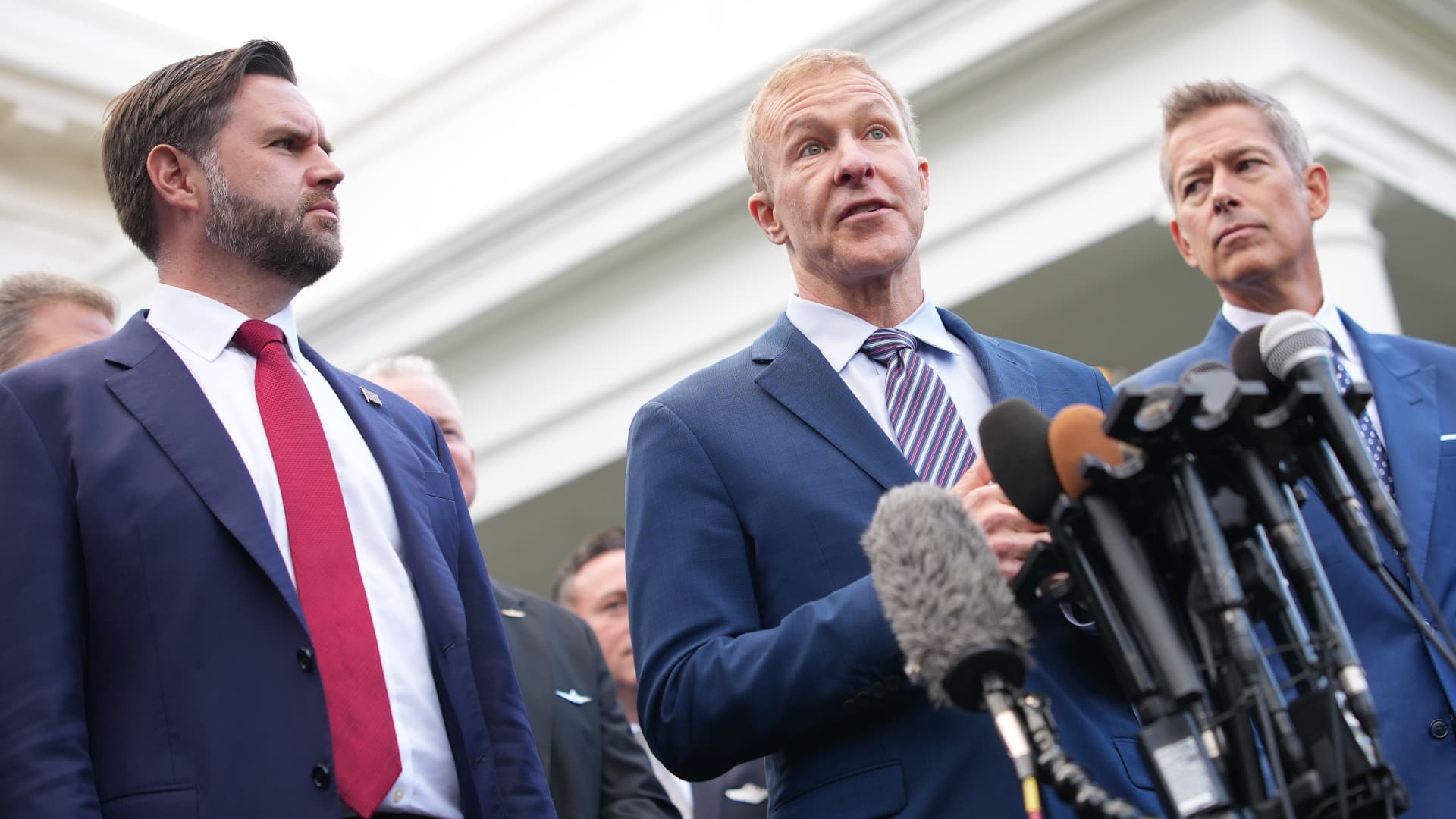
    United Airlines CEO Scott Kirby, joined by U.S. Vice President JD Vance and Transportation Secretary Sean Duffy, speaks to reporters outside the White House on Oct. 30, 2025 in Washington, D.C.

    Kevin Dietsch | Getty Images News | Getty Images

    United Airlines CEO Scott Kirby raised the idea for an airline merger with the Trump administration this year, according to people familiar with the matter, though he has been considering a potential airline deal since last fall.

    On Monday, Bloomberg News reported that Kirby floated the idea of a tie-up with American Airlines to the White House in February. Some airline analysts and experts brushed off the possibility of that combination, which would create the world’s biggest airline, saying the regulatory hurdles would be too high to clear. United and American declined to comment on the report.

    A combination of that size hasn’t been attempted in the U.S., though waves of industry consolidation starting about two decades ago have left American, United, Delta Air Lines and Southwest Airlines in control of about 80% of domestic market share.

    But United’s Kirby has said the next phase for U.S. carriers is figuring out how to better compete on a global stage.

    “Size would help” compete on U.S. outbound flights, he told the “Stratechery” podcast on an episode that aired in January.

    “We have customers that fly United almost all the time or they fly Delta, but when they go to the Middle East, it’s fragmented enough that they fly on Emirates,” he said. “If we’re bigger and have more offerings for those customers, possibly, it makes it more rational for them to fly us when they go to the Middle East.”

    U.S. airlines spent years complaining about what they called unfair government subsidies that some Middle East carriers received. But U.S. carriers have recently teamed up with some of those airlines: United now has a partnership with Emirates, American has one with Qatar Airways and Delta signed a strategic partnership with Saudi Arabia’s Riyadh Air in 2024.

    Source link

  • Bank of America (BAC) earnings Q1 2026

    Bank of America (BAC) earnings Q1 2026

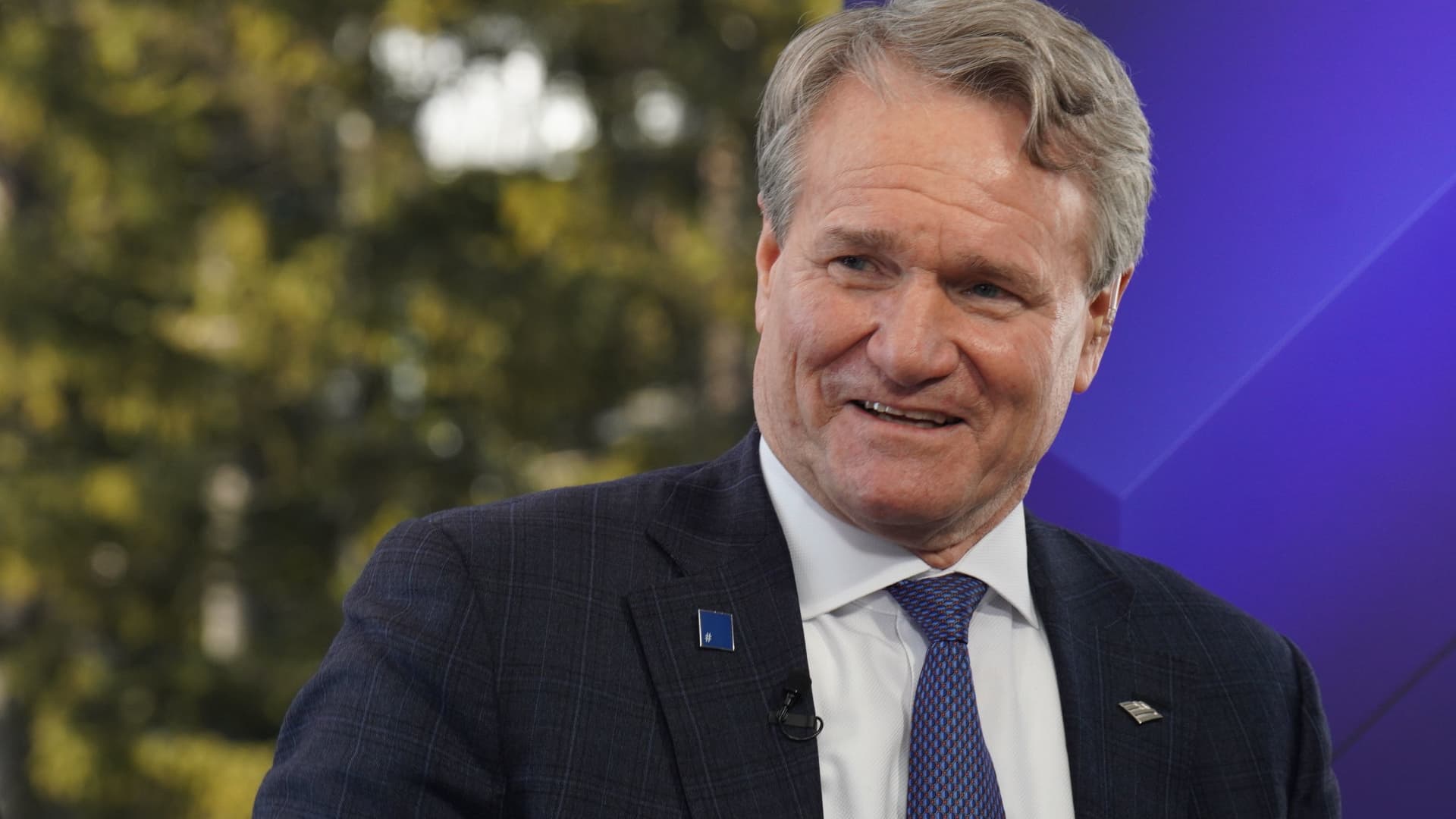
    Brian Moynihan, CEO of Bank of America, speaking on CNBC’s Squawk Box at the World Economic Forum in Davos, Switzerland on Jan. 20th, 2026.

    Oscar Molina | CNBC

    Bank of America is scheduled to report first-quarter earnings before the opening bell Wednesday.

    Here’s what Wall Street expects:

    • Earnings: $1.01 a share, according to LSEG
    • Revenue: $29.93 billion, according to LSEG
    • Net interest income: $15.67 billion, according to StreetAccount
    • Trading: Fixed Income of $3.83 billion, equities of $2.48 billion, according to StreetAccount

    Bank of America, the second-largest U.S. bank by assets, has topped expectations for earnings per share for 23 consecutive quarters.

    The company has guided for net interest income, the profitability metric for loan-making, to increase between 5% and 7% this year amid a flattening yield curve. Analysts and investors will be monitoring whether the bank reaffirms that guidance.

    Last quarter, CEO Brian Moynihan highlighted consumer and business resiliency along with a favorable regulatory environment as factors poised to drive economic growth. Analysts will want to hear whether his bullishness carries over into 2026 amid geopolitical tensions and rising oil prices.

    On Tuesday, Citigroup and JPMorgan Chase posted results that exceeded expectations. However, JPMorgan pared back its full-year net interest income guidance to $103 billion.

    Wells Fargo was the biggest laggard of the group, falling short of both revenue and net interest income estimates when it reported earnings on Tuesday.

    Morgan Stanley is set to release its first-quarter results on Wednesday, following Bank of America’s report.

    This story is developing. Please check back for updates.

    Correction: Bank of America guided to net interest income growth of between 5% and 7% this year. A previous version of this article misstated the range.

    Source link